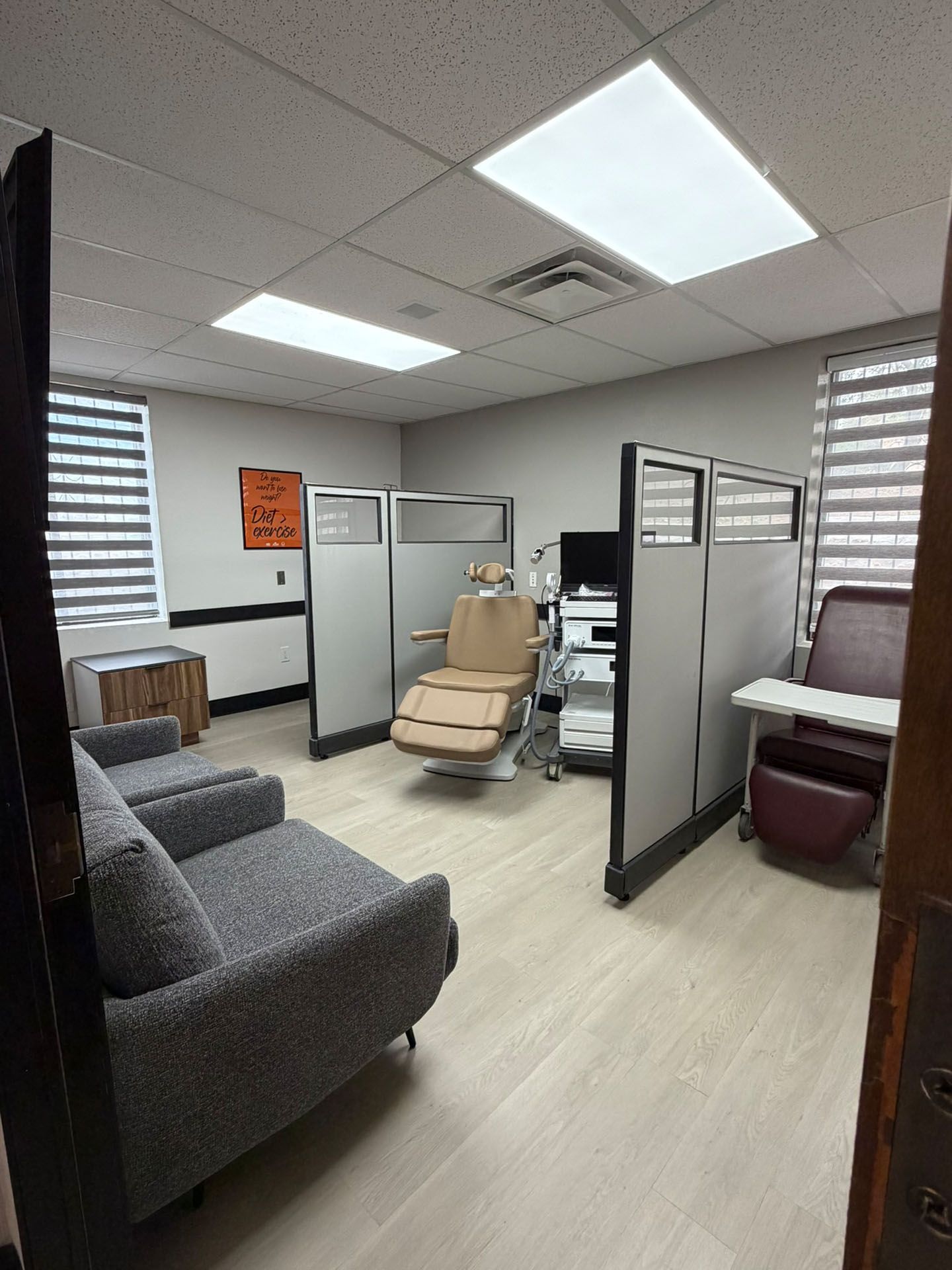


TMS vs. SPRAVATO® in El Paso: Comparing Depression Treatment Options
When depression does not lift after therapy, lifestyle changes, or several medication trials, it can feel discouraging. Many adults in El Paso reach this point after doing the work: attending appointments, taking medication as prescribed, and trying to stay connected to work, family, and daily routines. If symptoms are still getting in the way, it may be time to ask whether an advanced treatment option belongs in your plan.
At MindBliss Psychiatry, adults can explore both TMS therapy and SPRAVATO® treatment in a supportive psychiatric setting. These are very different options, but they share an important purpose: helping people who need more than a standard medication adjustment. This guide explains how TMS and SPRAVATO compare, what each visit may involve, and how an El Paso psychiatric provider can help you decide what comes next.
This guide is educational and is not a substitute for a personalized psychiatric evaluation. If you are thinking about harming yourself or need immediate support, call or text 988 or go to the nearest emergency room.
First, what does treatment-resistant depression mean?
Treatment-resistant depression generally means depression has not improved enough after trying at least two antidepressants at an adequate dose and duration. The National Institute of Mental Health notes that depression can affect sleep, eating, work, concentration, and daily functioning, and that brain stimulation therapies may play an important role when other treatments have not helped. This does not mean you are out of options. It means your care plan may need a more careful review.
A thoughtful evaluation matters because several issues can make depression harder to treat. Sleep problems, anxiety, trauma, bipolar disorder, chronic pain, medication side effects, substance use, or medical conditions can all shape the right next step.
What is TMS therapy?
Transcranial magnetic stimulation, often called TMS, is a non-invasive treatment that uses focused magnetic pulses to stimulate targeted areas of the brain involved in mood regulation. MindBliss Psychiatry offers TMS therapy in El Paso for adults with depression and obsessive-compulsive disorder who have given medications a fair try but continue to struggle.
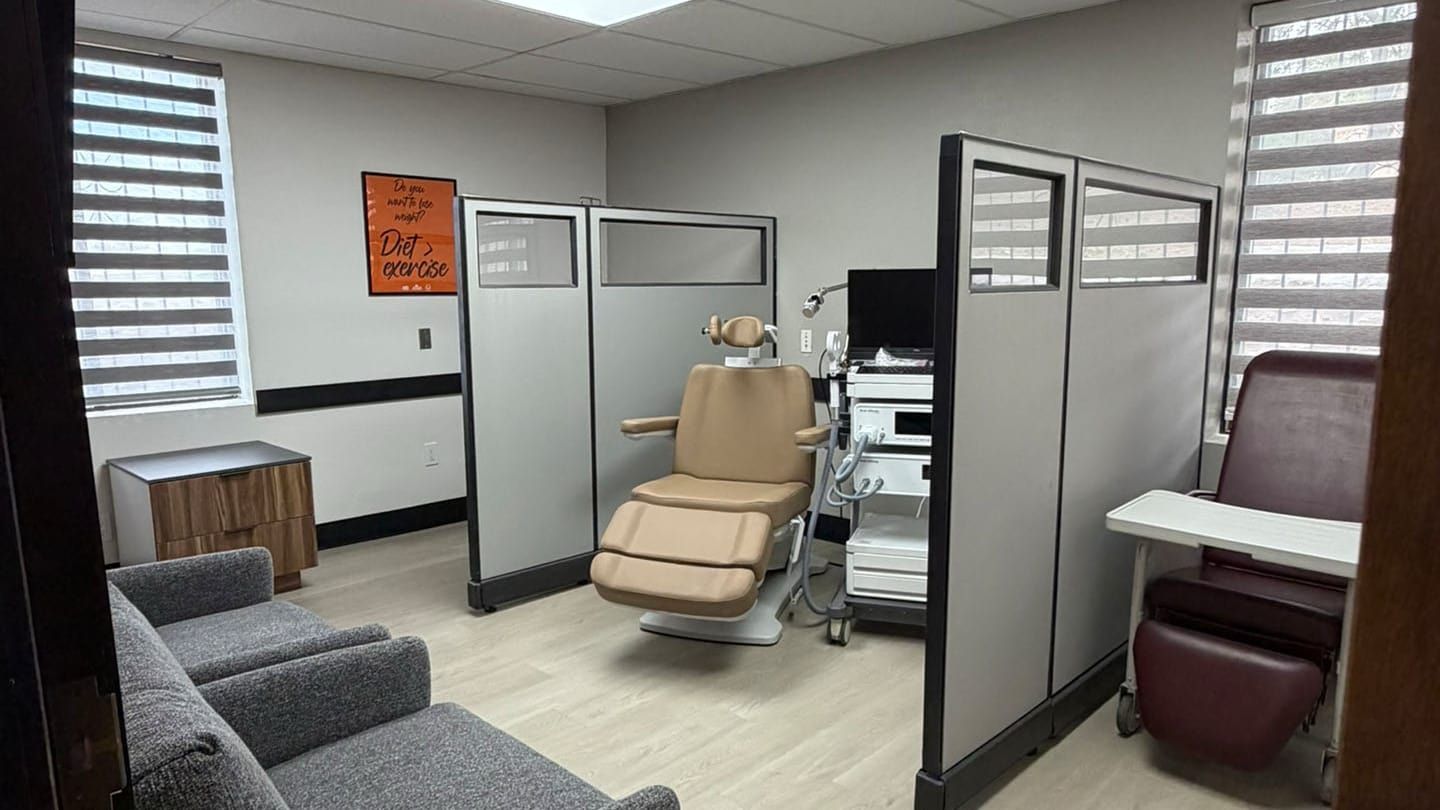
During a typical TMS session, you remain awake and seated in a treatment chair. A magnetic coil is placed near the scalp, and you may feel tapping or pulsing sensations during treatment. MindBliss explains that sessions often last about 20 to 40 minutes, with no sedation or anesthesia. Most people can return to regular activities after their appointment.
TMS may be worth discussing if antidepressants have not brought enough relief, side effects have been difficult to tolerate, or you prefer a non-drug treatment option. Eligibility and safety screening are still important, especially for people with certain implanted devices or metal.
What is SPRAVATO® treatment?
SPRAVATO® is the brand name for esketamine nasal spray, a prescription treatment used for adults with treatment-resistant depression. The FDA approved SPRAVATO for adults with depression who had tried other antidepressant medicines without adequate benefit, and the treatment is available only through certified medical settings under safety requirements.
At MindBliss Psychiatry, SPRAVATO treatment is delivered in a supervised El Paso clinic setting. Patients self-administer the nasal spray under medical supervision, then remain at the clinic for monitoring. MindBliss notes that patients are monitored for at least two hours after each session and need a ride home because temporary side effects can occur.
SPRAVATO works differently from traditional antidepressants, which is part of why people ask about it when standard medication approaches have not been enough. It is not a take-home medication, and it is not the same as unsupervised ketamine use.
How TMS and SPRAVATO compare
The best choice is not simply about which treatment sounds stronger or newer. It is about matching the treatment to your diagnosis, health history, schedule, response to past care, comfort level, and safety needs.
| Category | TMS Therapy | SPRAVATO® Treatment |
|---|---|---|
| How it works | Uses magnetic pulses to stimulate targeted brain regions involved in mood regulation. | Uses esketamine nasal spray in a supervised medical setting and acts through a different pathway than many standard antidepressants. |
| Visit experience | You stay awake in a treatment chair. No anesthesia is used, and there is typically no recovery time. | You self-administer the nasal spray under supervision and remain in the clinic for monitoring afterward. |
| Time commitment | Usually scheduled several days per week over several weeks, depending on the treatment plan. | Follows a structured schedule that may change over time based on response and provider guidance. |
| Transportation | Many patients can drive themselves unless their provider advises otherwise. | A ride home is required after each appointment. |
| Common considerations | May appeal to patients seeking a non-invasive, drug-free option. | May appeal to patients who need a supervised medication-based option after limited antidepressant response. |
When TMS may be the better conversation to start
TMS may be a strong option to discuss if you want a treatment that does not circulate through the body like a medication. This can matter for people who have struggled with medication side effects, fatigue, sexual side effects, weight concerns, or limited benefit from repeated medication changes.
TMS can also be appealing for adults who want to stay alert during treatment and return to work, school, or home responsibilities after each session. The tradeoff is schedule commitment. Because TMS is often delivered frequently over several weeks, it works best when you can make regular clinic visits part of your routine.
When SPRAVATO may be the better conversation to start
SPRAVATO may be worth discussing if you have treatment-resistant depression and want to explore an advanced option that works differently from standard antidepressant adjustments. It may also be considered when symptoms are severe and a provider believes a structured, closely monitored treatment setting is appropriate.
The main planning issue is the visit itself. SPRAVATO requires in-clinic administration, monitoring, and transportation home. For some people, that added structure feels reassuring. For others, the logistics are a barrier. A good provider will talk through both the potential benefits and the practical demands before recommending it.
Can TMS and SPRAVATO be part of a broader plan?
Yes. Depression care is often strongest when it is not treated as a single appointment or one prescription. MindBliss emphasizes integrated psychiatric care, which may include medication management, psychotherapy, telepsychiatry visits, and advanced treatments when clinically appropriate.
For some patients, the next step may be TMS. For others, it may be SPRAVATO, a medication review, therapy, or a different diagnosis to consider. The right plan should be personalized, measurable, and realistic for your life in El Paso.
Questions to ask before choosing
You do not need to arrive at your first appointment already knowing which treatment you want. A better goal is to arrive with honest questions. Consider asking:
- Have I had enough medication trials to be considered for treatment-resistant depression options?
- Do my symptoms, diagnosis, and medical history make TMS or SPRAVATO safer or more appropriate?
- How often would I need to come in, and for how long?
- What side effects should I expect?
- How will we measure whether treatment is helping?
- Will insurance require prior authorization or documentation of past treatment?
Bringing a medication history can help your provider move faster. MindBliss has
new patient resources that can help organize information before the first visit, including forms related to TMS and medication history.
What to expect at MindBliss Psychiatry in El Paso
MindBliss Psychiatry is located at 1201 East Schuster Suite 1A in El Paso and serves adults across El Paso County, Texas, and Doña Ana County, New Mexico. The practice focuses on compassionate, confidential care in a comfortable setting where patients are not rushed or judged.
If you are comparing TMS and SPRAVATO, the first step is not the treatment room. It is a comprehensive psychiatric evaluation. Your provider will review symptoms, prior medications, therapy history, medical concerns, safety considerations, insurance requirements, and personal goals. From there, the team can explain whether TMS, SPRAVATO, medication management, therapy, or another plan makes the most sense.
If depression has continued despite multiple treatment attempts, you deserve a clear conversation about your options. Text MindBliss Psychiatry at 915-229-5033 or
request an appointment online to take the next step toward advanced depression care in El Paso.
FAQ: TMS vs. SPRAVATO in El Paso
Is TMS the same as SPRAVATO?
No. TMS is a non-invasive brain stimulation treatment that uses magnetic pulses. SPRAVATO is an esketamine nasal spray given under medical supervision. Both may be considered for treatment-resistant depression, but the visit experience, safety steps, and treatment schedules are different.
Which works faster, TMS or SPRAVATO?
Response timelines vary. Some patients notice improvement during a TMS course after several sessions, while others improve more gradually. Some SPRAVATO patients report changes sooner, but multiple treatments and ongoing monitoring may still be needed.
Can I drive after treatment?
After TMS, many patients return to normal activities right away unless their provider gives different guidance. After SPRAVATO, you need someone to drive you home because temporary side effects can affect alertness, judgment, or perception.
Will insurance cover TMS or SPRAVATO?
Coverage depends on your plan, diagnosis, past treatment history, and documentation. MindBliss Psychiatry can help verify benefits, discuss prior authorization, and review payment options when needed.
How do I know which treatment is right for me?
Start with an evaluation. The right choice depends on your depression history, current symptoms, prior medication response, safety considerations, schedule, and goals. A provider can help you compare options without pressure.
Our Services
Conditions We Support
- Depression (TRD)
- Anxiety (GAD)
- OCD
- Bipolar Disorder
- Sleep Disorders
- PTSD & Trauma
- Concussion Recovery
- ADD & ADHD
- Chronic Pain
- Eating Disorders
- Stroke Recovery
- Epilepsy
- Parkinson's
- Migraines
Find Help in El Paso
If you're facing symptoms that disrupt your daily life, the team at MindBliss Psychiatry is here to help you regain balance and clarity. Reach out for assistance today!
Text 915-229-5033 to book
Recent Articles